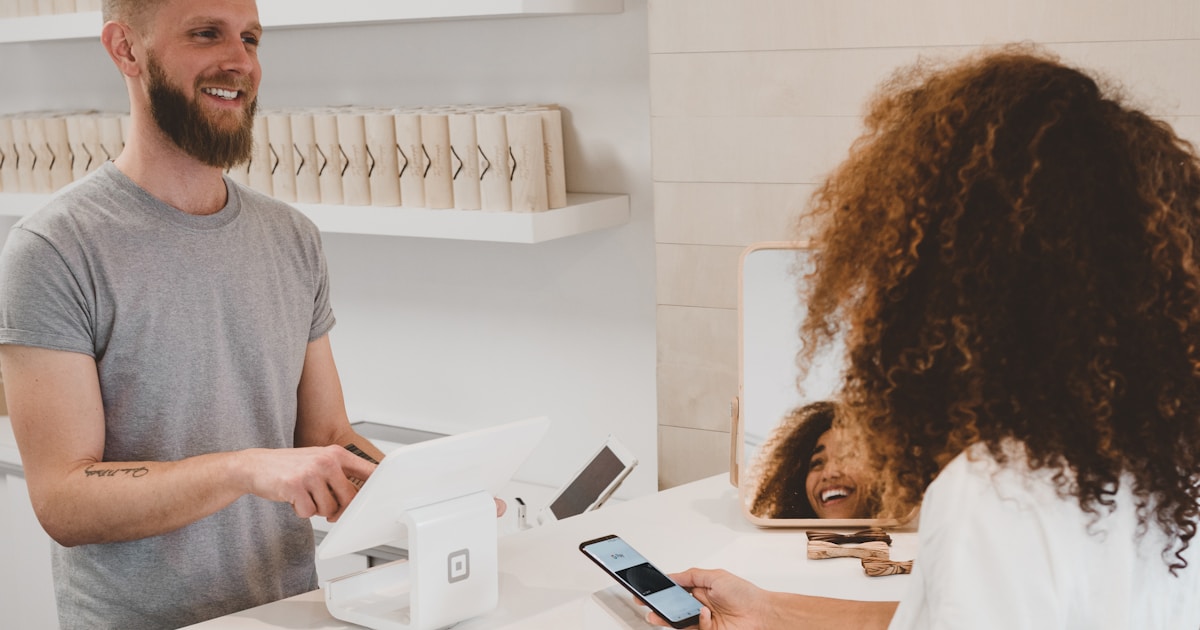
Accept Payments on Your Phone: Mobile Payment Solutions for 2026
Mobile phones have become the primary computing device for billions of people worldwide. For businesses, this shift creates both opportunity and expectation—customers want to pay using the device they always carry. Accepting payments on your phone is no longer optional for businesses that want to grow.
The good news? Mobile payment technology has matured significantly. What once required expensive dedicated terminals now works through smartphone apps, QR codes, and tap-to-pay features built into modern phones.
Why Mobile Payments Matter in 2026
Consumer behavior has fundamentally shifted toward mobile-first experiences. Customers expect to discover, research, and purchase products using their smartphones. Payment options must match this expectation.
Consider what happens when a customer wants to buy from a business:
- They find your business through mobile search or social media
- They browse products on their phone
- They want to complete purchase on the same device
- They expect familiar payment methods
Businesses that cannot accept payments on their phone lose customers. Studies show 67% of shoppers have abandoned purchases because they couldn't pay using their preferred mobile method.
Mobile Payment Methods Available Today
QR Code Payments
QR codes have become ubiquitous for mobile payments, especially in Asia and increasingly in Western markets. The technology is simple yet powerful:
How it works:
- Customer scans merchant's QR code using their phone camera
- Payment app displays payment confirmation
- Customer authorizes payment
- Merchant receives notification instantly
Advantages:
- No special hardware required
- Works with any smartphone
- Extremely low transaction costs
- Simple to implement and use
Acceptance:
- Major payment apps support QR codes
- Customers can pay without cash or cards
- Contactless and hygienic
- Works in any lighting condition
Tap-to-Pay on Android and iPhone
Modern smartphones have Near Field Communication (NFC) chips that enable tap-to-pay functionality. This feature turns a phone into a virtual point-of-sale terminal:
Requirements:
- NFC-enabled smartphone
- Payment app supporting tap-to-pay
- Customer with contactless card or phone wallet
How it works:
- Merchant opens payment app
- Customer taps card or phone on merchant's device
- Payment processes instantly
- Both parties receive confirmation
Benefits:
- No internet connection required for transaction
- Works with existing contactless cards
- Customers appreciate familiar gesture
- Professional appearance
In-App Payments
For businesses selling through mobile apps, in-app payment integration provides seamless checkout:
Implementation:
- Payment gateway API integration
- Customer stays within your app
- Multiple payment method support
- One-click repeat purchases
Why it matters:
- Reduces cart abandonment
- Improves customer experience
- Enables subscription models
- Provides better data tracking
Payment Links
Payment links allow any business to accept payments without an app or website. They're perfect for sending invoices, collecting payment for services, or accepting payments on social media. Learn more about receiving international payments from USA to India.
How to use:
- Generate payment link through gateway
- Send via SMS, email, WhatsApp, or social media
- Customer clicks and pays
- Receive instant notification
Perfect for:
- Freelancers and consultants
- Small businesses without websites
- Invoice payments
- One-time transactions
You can create payment links instantly with AllPays.co.
Choosing the Right Mobile Payment Solution
For Small Businesses and Solopreneurs
If you're a freelancer, consultant, or small business owner:
Start with payment links:
- No app or website required
- Works through any messaging app
- Professional appearance
- Instant settlement
Add QR code payments:
- Very low cost per transaction
- Customers scan and pay quickly
- Easy to display on invoices or products
- Works without internet connection
Example setup cost: $0-50 per month
For Retail Businesses
Physical retail locations benefit from:
Tap-to-pay capability:
- Turn phone into payment terminal
- Accept contactless cards and wallets
- Professional checkout experience
- Lower fees than traditional terminals
QR code at checkout:
- Customer scans to pay
- Works with any phone
- Reduces checkout time
- Lower transaction costs
Example setup cost: $0-200 for equipment
For E-Commerce Businesses
Online sellers should implement:
In-app checkout:
- Keep customers on your platform
- Multiple payment options
- Save card details for repeat purchases
- Reduce abandonment
Mobile-optimized payment:
- Fast loading on smartphones
- Simple forms with auto-fill
- Digital wallet support
- Guest checkout option
For Service Businesses
Tradespeople, consultants, and service providers need:
On-site payment collection:
- Tap-to-pay at customer location
- Payment links for invoices
- SMS payment requests
- Instant notification when paid
Example scenario: A plumber finishes a job, opens their phone app, taps the customer's card, and receives payment before leaving—all without carrying a traditional terminal.
Essential Features to Look For
Core Requirements
Any mobile payment solution should provide:
- Fast setup: Start accepting payments in minutes
- Low fees: Transparent pricing without surprises
- Instant access: Receive funds immediately, not days later
- Reliability: Works when you need it
- Security: PCI compliance and fraud protection
Business Growth Features
As your business grows, you'll need:
- Inventory management: Track products and sales
- Reporting: Understand your revenue patterns
- Team management: Multiple employees can process payments
- Integration: Connect with accounting and CRM systems
- Multi-device: Use on phone, tablet, and computer
Customer Experience
The best solutions improve customer experience:
- Fast checkout: Complete transactions in seconds
- Familiar methods: Support cards, wallets, and local payment types
- Receipt options: Email, SMS, or print
- Returns handling: Easy refunds and disputes
Security Considerations
Mobile payment security has advanced significantly. Modern solutions include:
Encryption and tokenization
Card details are never stored on the device. Instead, unique tokens represent payment information, making transactions secure even if the device is compromised.
Biometric authentication
Fingerprint and facial recognition ensure only authorized users can process payments. This protects both merchant and customer.
Fraud detection
Machine learning algorithms analyze transactions in real-time, flagging suspicious activity before it causes problems.
Compliance
Choose providers that maintain PCI DSS compliance and handle regulatory requirements on your behalf.
Implementation Checklist
Before You Start
- Identify your needs: What payment methods do customers expect?
- Research providers: Compare fees, features, and reviews
- Check requirements: Some solutions have business type restrictions
- Gather documentation: Identity and business verification
Setting Up
- Download the app: Official app from provider
- Create account: Business registration required
- Verify identity: KYC compliance for regulatory purposes
- Link bank account: Where funds will be deposited
- Test transactions: Try payments with colleagues or friends
Going Live
- Inform customers: Announce new payment options
- Display signs: QR codes and tap-to-pay availability
- Train staff: Ensure everyone can process payments
- Monitor transactions: Watch for any issues
- Gather feedback: Improve process based on experience
Common Questions
Do I need a traditional POS terminal?
No. Modern smartphones can function as payment terminals through tap-to-pay and QR code technology. Traditional terminals are no longer necessary for most businesses.
What fees should I expect?
Standard mobile payment fees range from 2.5-3.5% plus small transaction fees. Some solutions offer flat-fee pricing for high-volume businesses.
Is my data safe?
Yes. Mobile payment providers invest heavily in security. Look for PCI DSS compliance and familiar security certifications.
Can I use this internationally?
Many mobile payment solutions support cross-border transactions. Check if your provider offers the currencies and markets you need.
What happens if my phone dies?
With proper backup procedures, business continues smoothly. Most providers offer tablet or computer options, and funds remain secure regardless of device issues.
The Future of Mobile Payments
Several trends will shape mobile payment acceptance:
Biometric payments: Face and fingerprint authentication will become universal, eliminating passwords entirely.
Wearable integration: Smartwatches and other wearables will increasingly handle payments without phones.
Offline capability: Payments will work without internet connection, syncing when service returns.
Currency flexibility: Multi-currency support will become standard, with instant conversion at transparent rates.
AI-powered assistance: Smart systems will optimize checkout flows and reduce fraud automatically.
Getting Started Today
Accepting payments on your phone is simpler than ever. Here's your action plan:
Week 1: Research and compare mobile payment providers based on your business type and customer needs.
Week 2: Set up your account, verify your identity, and link your bank account.
Week 3: Test the system with small transactions and train any staff members.
Week 4: Announce your new payment options to customers and begin accepting mobile payments.
The barrier to entry is minimal, and the benefits—faster payments, lower costs, better customer experience—compound over time. Businesses that embrace mobile payment technology today will find themselves better positioned for tomorrow's expectations.
Conclusion
Mobile payments have evolved from novelty to necessity. Customers expect to pay using their phones, and businesses that cannot accommodate this expectation lose sales. The technology is mature, costs are reasonable, and implementation is straightforward.
Whether you need simple payment links for invoicing, tap-to-pay for retail, or full e-commerce integration, mobile payment solutions exist for every business type. The key is choosing the right approach for your specific needs and implementing it consistently.
The businesses that thrive in 2026 and beyond will be those that meet customers where they are—on their phones, expecting convenient, fast, and secure payment options.

Rekt Capital
Cryptocurrency analyst providing macro research, technical analysis, and market commentary. Transforms complex market data into actionable intelligence for serious investors. Known for in-depth Bitcoin and Ethereum analysis.
Ready to Accept Card & PayPal Payments?
Create a payment link or embed the widget and settle via fiat onramp to your crypto wallet.
Related Articles
WooCommerce High-Risk Payment Gateway: What You Need to Know
How to choose a WooCommerce high-risk payment gateway, what to look for in checkout and settlement, and how to avoid common setup mistakes.
Best IPTV Payment Gateway Options in 2026
A practical guide to the main IPTV payment gateway options in 2026, including standard processors, high-risk accounts, hosted checkout, and wallet-settlement models.
How to Accept PayPal and Settle to a Crypto Wallet (Step-by-Step)
A practical step-by-step guide to letting customers pay with PayPal while merchant settlement routes to a crypto wallet, including setup, testing, refunds, and treasury considerations.